Everyone has something to say. Our job is to find how.
Speech pathology at The Centered Space supports communication and swallowing across a whole life, from a child's first words to an adult relearning their voice after a stroke. We start with the person, build the supports around them, and meet you where life actually happens.
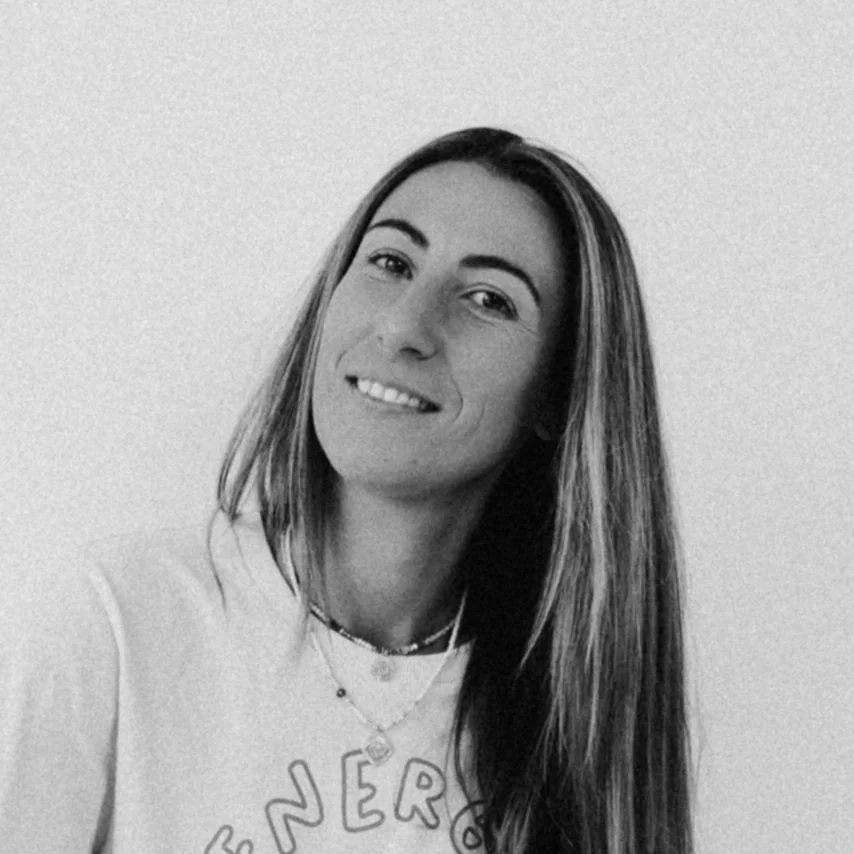
From a child's first words to an adult's voice after a stroke.
Speech pathology is not just for little ones learning to talk. We work across communication and swallowing for the whole lifespan, and we are not here to make anyone sound more normal. We are here to expand what you can say, and who can understand you.
Here is the ground we cover, for children and adults alike.
Talk to a speech pathologistThe ecosystem comes before the therapy.
We do not just do therapy. Before a single session, we look at the whole system around you. If you need a key worker, a transdisciplinary plan, or help with your NDIS supports, we sort that first. We will not start therapy on someone with no ecosystem around them, even an adult. Once the foundation is steady, the therapy actually works.
We put the key-worker hat on
Every clinician here is a trained Key Worker. We coordinate the whole team so you are not managing seven separate experts.
We stabilise first
Consults, supports, an NDIS consult if it is needed. We get the person steady before we build skills.
Goals built with you, not for you
Functional goals in your own words, tied to the life you actually want to live.
Where your feet are
Home, school, the cafe, the workplace, the community, or telehealth. A board that works in the clinic but not at the shop is not good enough.
Transdisciplinary by default
Speech and occupational therapy are not siloed. We share strategies across the team so the plan is one plan.
We will always find a way
If the usual path does not fit, we turn left. Creative is how we are wired, because we are neurodivergent too.
Therapy that sees the whole human.
Plenty of places offer speech therapy. Here is what you will not find everywhere.
Talk to a speech pathologistAAC is available from the start, never withheld until a child proves enough speech.
No masking goals. We never write goals for eye contact, less stimming, or looking more normal.
Gestalt language processing is recognised as a real pathway, not a delay to correct.
We hold the relationship for the long haul, including maintenance therapy for progressive conditions.
Competence is presumed. Everyone has something to communicate.
We train the people around you, so communication keeps working when we are not in the room.
Real-life therapy, not textbook therapy.
We will literally meet you where life is at, where your feet are, at the skate park, on a walk along the headland, at the local cafe, at the dinner table. Goals are not traditional goal writing. They are about what will make a real difference in someone's actual life: ordering for yourself, being understood by the people who matter, getting through a work meeting, telling a new support worker what you need. And if the usual path does not fit, we will always find a way. We get creative, we pivot, and there is always a way.
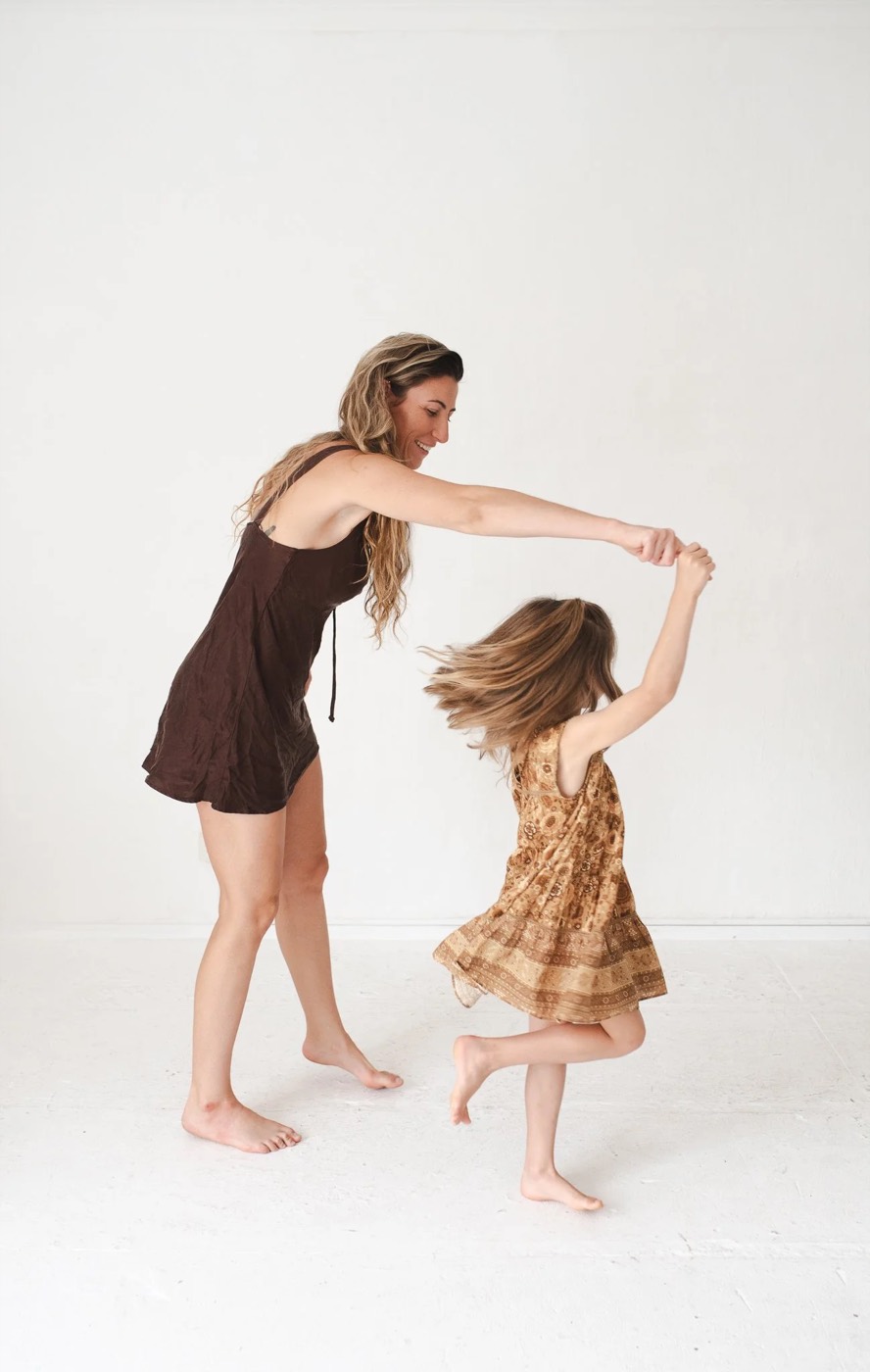
Children, adults, and the people around them.
Children and families
First words, school, AAC, the whole developmental picture, with you as the expert on your own child.
Adults
Communication and swallowing after stroke, brain injury, or a progressive condition, held for the long term, not referred and discharged.
Support Coordinators and referrers
A provider you can send anyone to, with clear communication, sound reasoning and honest timeframes.
From first hello to therapy that fits.
No mystery, no pressure. Here is the path.
A free conversation
We start by understanding the whole picture, what is happening in daily life and what you actually want.
Stabilise the ecosystem
If supports, coordination or an NDIS consult need to happen first, we do that.
Assessment, the right way
Standardised where it helps, always interpreted in real-life terms, in clinic, at home, in the community or by telehealth.
Goals built with you
Functional, first person, tied to your life.
Therapy where life happens, then review
We deliver, we train the people around you, and we adjust as things change.
How NDIS funding works for speech pathology.
We will always be straight with you about funding. We help you understand your plan, and we never bill you to navigate the NDIS.
NDIS funding may cover speech pathology where it aligns with the participant's goals and approved plan. Not all NDIS plans include speech pathology supports.
The NDIS price guide rate for therapy supports. Quoted per person based on goals and complexity.
- A clear plan for your supports, in plain language
- Sessions where life happens, billed in line with the price guide
- Travel and non-face-to-face time only where it genuinely applies
- We never charge you to help you understand the NDIS
Rate shown follows the official NDIS Pricing Arrangements and Price Limits for therapy supports and may change when the guide is updated. We confirm current rates with you in writing before any work begins.
Ask us about your situation
Clinical backbone. Human heart.
We are a neurodivergence-affirming team, and we are genuinely like family. Every clinician is a trained Key Worker before they ever work here, so the person in front of you sees the whole picture, not just their discipline. Behind every person we support is the whole team: quarterly whole-team case conferences, fortnightly clinical case conferences across disciplines, an internal NDIS specialist we meet with every week, and individual clinical supervision. That is what makes us different, and it is why people stay with us for years.
Frequently asked
Talk to a speech pathologist, or ask us anything.
Tell us a little about who this is for and what is going on. We will reply with next steps, usually within one business day.
- Prefer email? Reach us at admin@thecenteredspace.au
- Support Coordinator or referrer? Download the speech pathology guide (PDF)
- Not sure where to start? Ask us for a free conversation first.
- In person across Brisbane, the Gold Coast and Northern New South Wales, plus home, community and Australia-wide telehealth.